- Jan 29, 2025
5 Ways to Boost Engagement in Preschool Learning At Home
- Little Northern Learners
- Tips for Homeschool 🏠
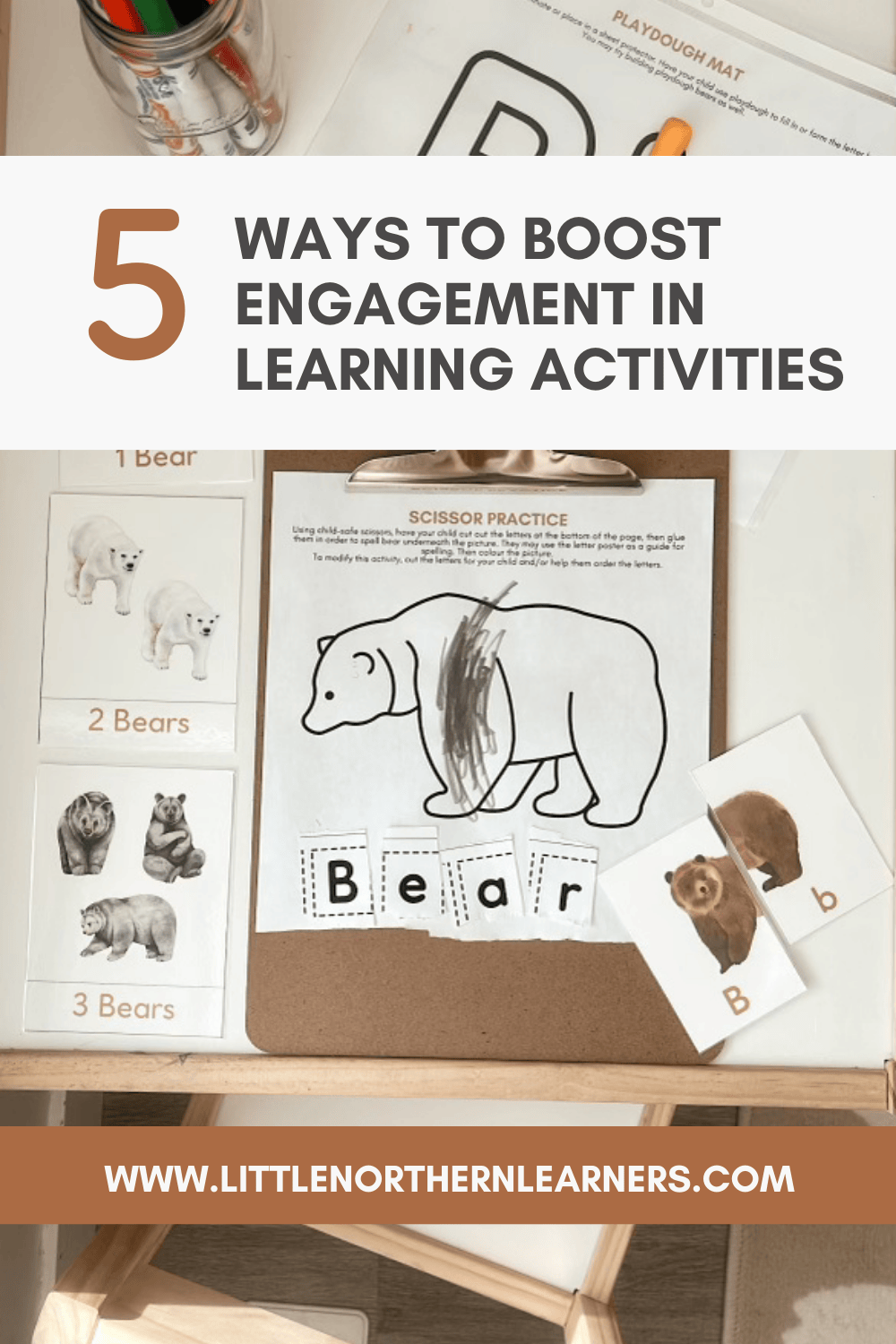
Preschoolers are naturally curious and eager to learn, but keeping them engaged in structured learning activities can sometimes be a challenge. In this post, I'll be sharing some of my favourite tried-and-true strategies to get your child excited and motivated for at-home learning.
Important note:
The most important thing to keep in mind when introducing preschool learning at home is that we can only expect about 5-10 minutes of focused work from a child at this age. Anything beyond that is purely a bonus!
We never recommend forcing a learning activity at the preschool age. Our main goal during these years is to foster a positive relationship with learning - and forcing things often works against this goal. If you're finding a lot of disinterest or refusal, try implementing a few of the tips below.
If you're just starting out, remember that it takes time to get to know what works for your unique child. Give yourself a chance to make mistakes and try different things while you figure out what works for your family!
1. Be flexible
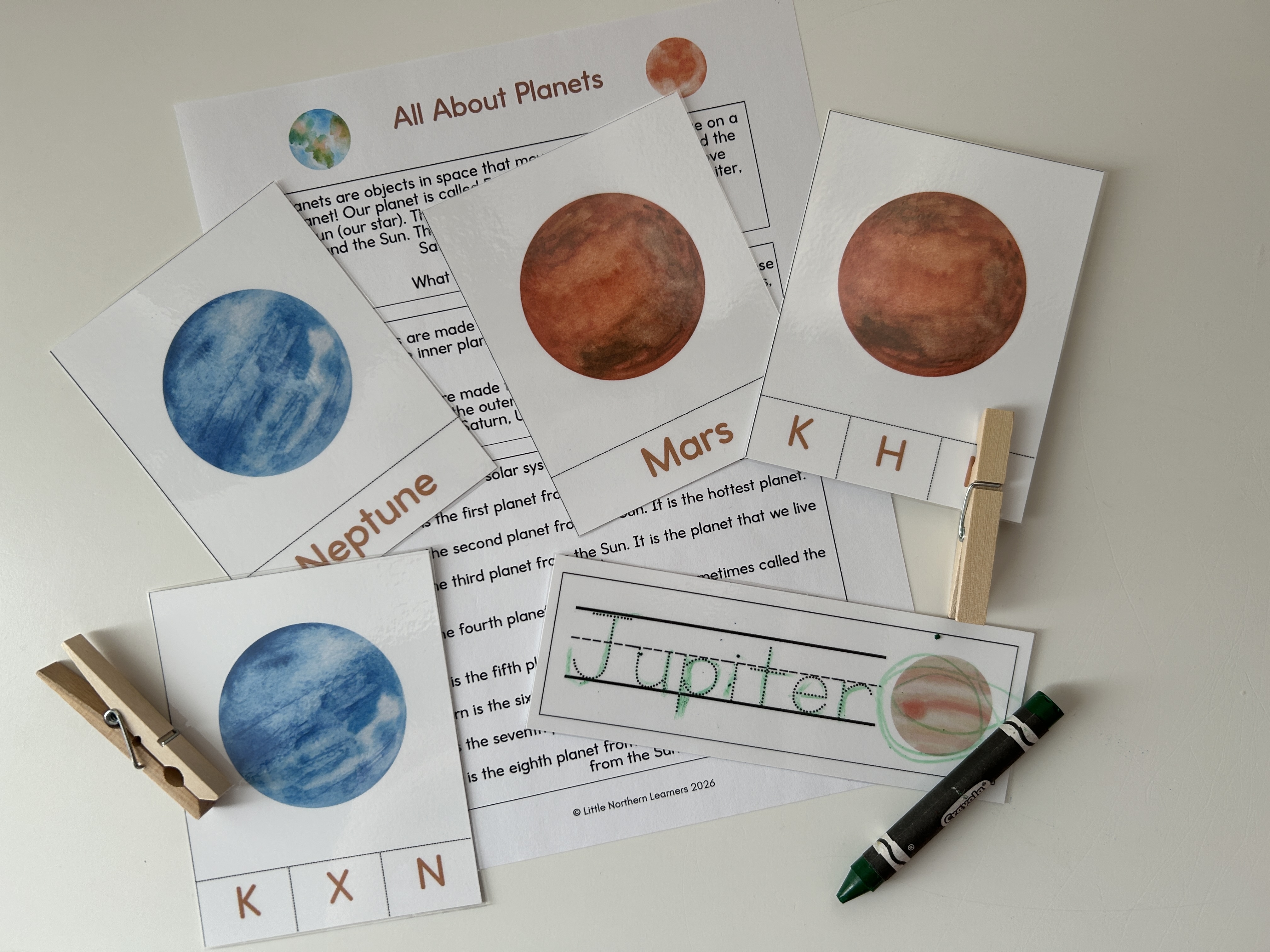
Flexibility is key! We do not recommend starting out with a strict schedule in mind. Feeling pressured by a strict timeline makes it frustrating when your child won't cooperate with your fixed schedule - resulting in negative feelings for all involved. Keeping your expectations in check can create a more positive and relaxed learning environment, which in turn will help your child feel comfortable engaging with the activity.
Remember that learning at this age happens through small sessions over time. Your child's interest and attention will also change day by day. Some days they may be interested and other days they may not be. When planning your preschool activities, set a flexible schedule that expects only about 5-10 minutes of sit-down learning per day, with plenty of wiggle room to skip days.
At the preschool age, I do not force learning time. If we have time in our day, I offer the activity. If they say no, we simply don't do it. I offer again another time or another day. I treat it the same as any other "fun" activity we might do - when I offer playdough or Lego as an activity, I ask my child if they'd like to do it. If they say no, I accept that they're not interested and move onto something different. If they say yes, we do it for as long as they are still interested - once they are done, we clean up and move on. I don't force them to stay with it longer. This is the same approach that I take with preschool activities.
If you're finding that your child says no often, and it's feeling like you never do any preschool work - check out some of the strategies below!
2. Play it cool
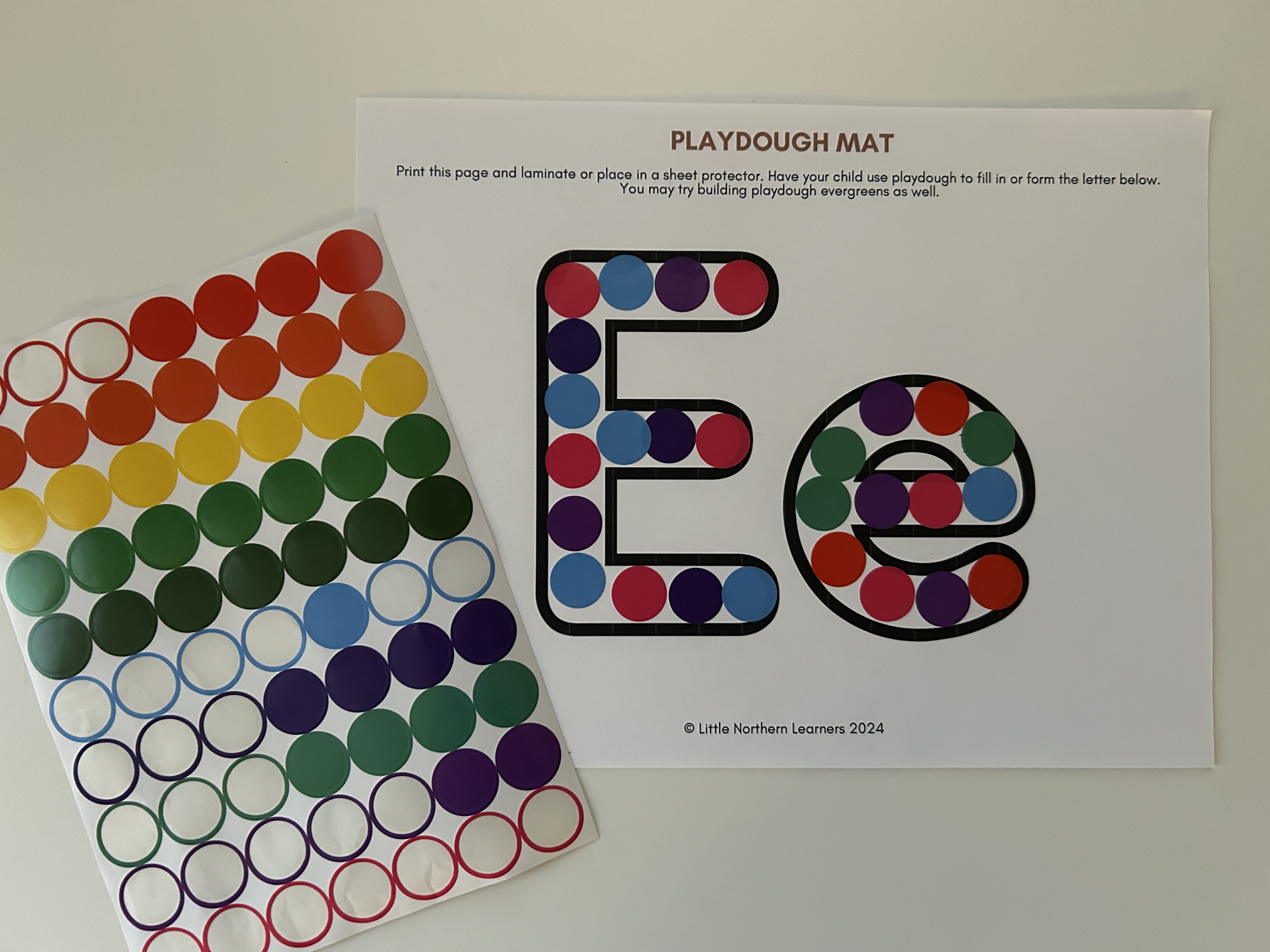
For some kids, things get less interesting when it's clear to them that you WANT them to do it. In these cases, playing it cool can really help increase engagement. Try preparing the activity in front of your child without saying anything to see if it peaks their interest. Other ideas: put up a poster related to the unit and see if they notice; read a book related to the topic and ask if they want to learn more about the topic; set out a colouring sheet and start colouring one yourself. Often, our kids want to be doing what we're doing. If they see us engaged in something, they might be interested enough to want to join in.
Most importantly, try not to react negatively when they refuse or are not interested in participating. Play it cool and act like it's not a big deal - then, try again another time!
3. Follow their lead
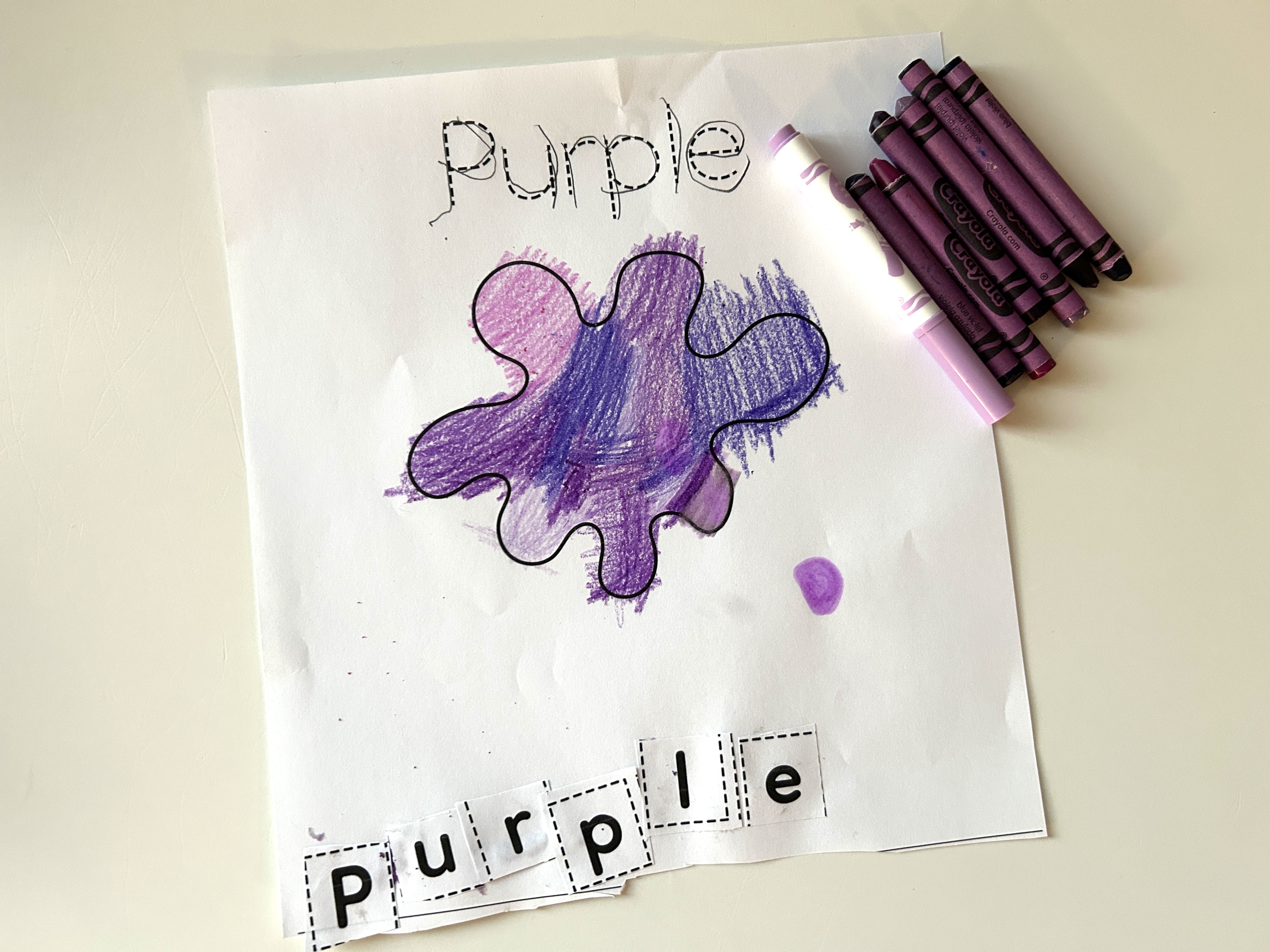
All children are different. they will have different interests and develop skills on different timelines! Maybe they love reading, baking, or colouring. Choose activities that match those interests. Try to find out what part of the activity your child does enjoy and focus on that part. Skip the other parts for now - you can always re-try those later!
All of our learning resources are meant to be viewed as a menu of options - not as a step-by-step to-do list. By focusing on the activities your child does enjoy, you're allowing them to learn and be involved with joy rather than boredom or resentment. Some of their favourites they may even want to repeat - don't be afraid to laminate an activity for re-use, or print two copies of an activity they love!
For the longest time, my oldest child was NOT interested in colouring or learning to write letters. If I pushed, she would scribble once and declare that she was done. What she did love was the cut and paste activities! So, for every letter of our A-Z learning letters bundle, we did the cut and paste activity first (and sometimes I even printed two so she could do it twice!), and we skipped the letter tracing and colouring. Over time, on her own, she came around to colouring and letter writing, and now she absolutely loves these activities!

4. Start with a snack
This is by far my favourite simple tip for increasing engagement, and while it won't work for every child, for some, it's just what they need! Sitting still and listening can be a difficult task for little ones, but some children are able to focus more on listening and learning when their hands and mouths are busy eating snack. The sensory input is just enough to allow them to focus on what you're saying!
Next time you want to introduce a learning activity, prepare a small snack for your little one and set it out at the table with you. Let them know you're going to take a little snack break and show them something while they eat. Set up a space that’s free from distractions - limit noise (turn off TV or music), put toys away, and give your full attention to your child while they enjoy their snack and you introduce the activity.
Snack time is also a great time to read to your little one! For those movers who don't like to sit still through a story, listening while eating snack can be a lot easier. If you're wanting to get more read-aloud time in, try it out at snack time!
5. Focus on connection
For many children, the biggest motivator is going to be the time spent connecting with you. Giving them your full attention during learning activities can be a huge key to getting their attention. Set aside your phone and any distractions, and be fully present with your child as you move through the activity.
After explaining the activity, aim to act as a gentle guide or quiet observer. Sit with your little one and observe as they complete the activity, only interrupting when necessary or engaging when they look to you for reassurance. Afterward, celebrate together - keeping in mind that it's not the end product that matters, but rather their willingness to try! Let them know how much you enjoyed spending time with them and thank them for letting you share the activity with them.
Make things even more special by showing off their work! If they completed an activity, take a picture to show off to family and friends, or pin their work up on your wall or fridge. The pride they feel can help build positive feelings toward learning, making them more invested the next time.
In summary
Engaging your preschooler in learning activities doesn’t have to be complicated. By setting realistic expectations, fostering connection, and following their natural interests, you can make learning both fun and meaningful. Remember, every child is unique - what works for one might not work for another. Be patient, experiment, and enjoy the journey of learning together!
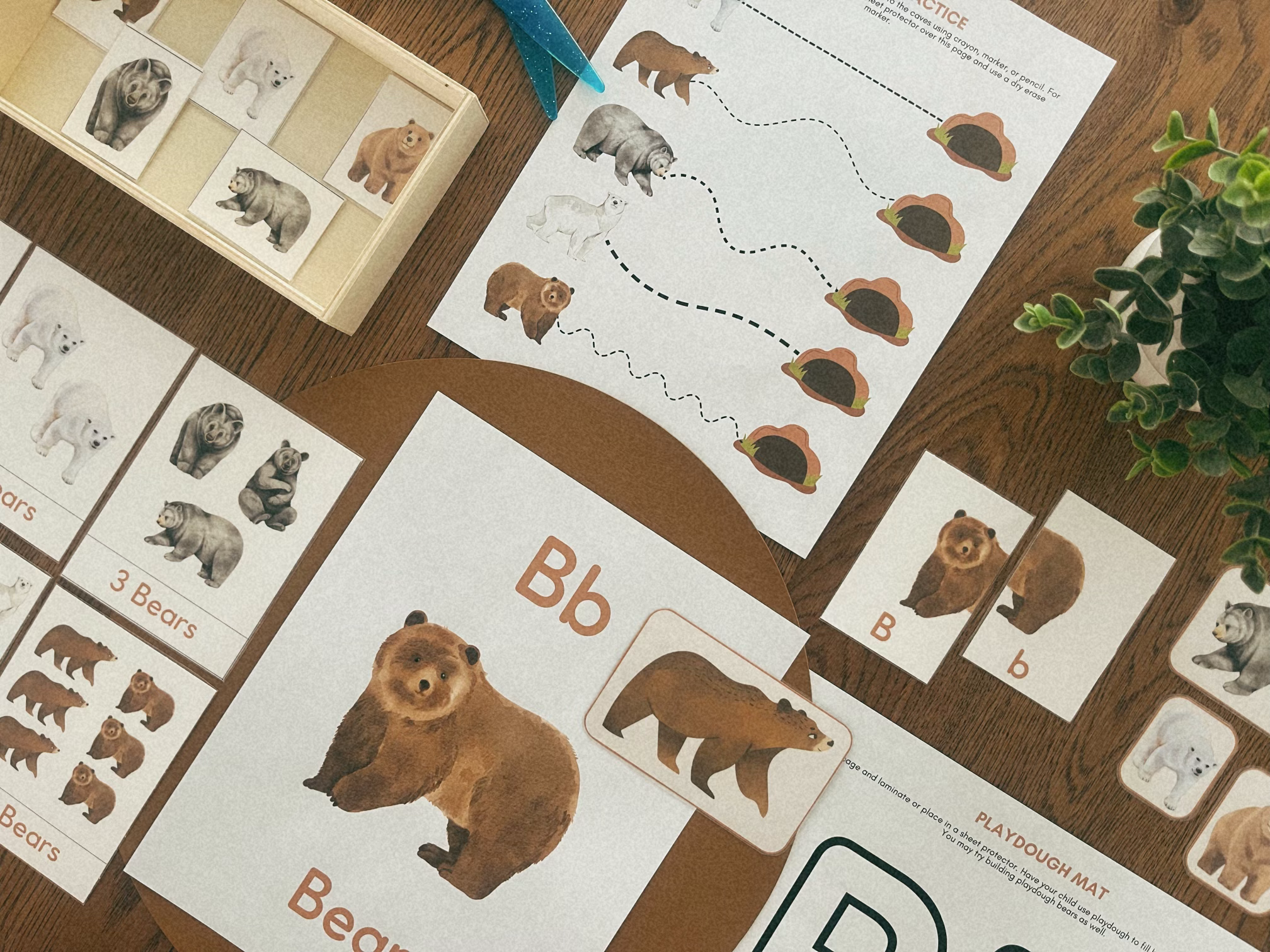
Interested in getting started with preschool learning at home? Our B is for Bear sample study is FREE to download and provides a variety of engaging preschool activities to get you started. Click below to grab your copy today!
Looking for more? Our A-Z Bundle includes a themed letter study for all 26 letters of the alphabet, with a huge 47% discount compared to buying each study individually.
Did these tips help with your learning at home routine? Do you have any tips to add? Let us know!